
Product guide · June 10, 2026
Rubia Gallega: what makes it unique and how to spot a good cut
The most prized native breed of the north-western Iberian peninsula. A guide to its amber fat, aging, and why it commands the price it does.
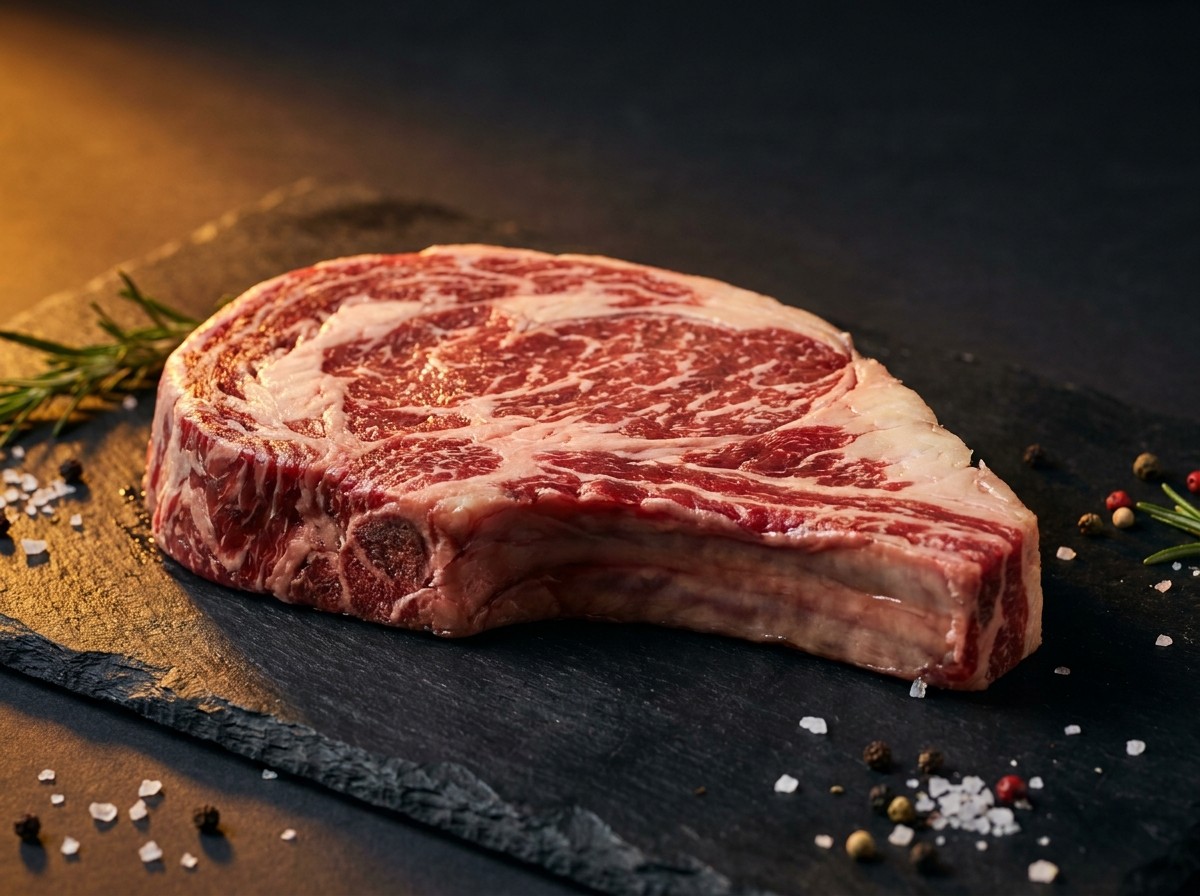
Rubia Gallega has become synonymous with premium beef, and rightly so. But behind the trend lie objective characteristics that explain why this native breed from the north-west of the peninsula earns the recognition — and the price — it commands. This guide walks through them.
The amber fat
The most recognizable sign of good Rubia Gallega is the color of its fat: a golden, almost amber tone, very different from the white fat of other meats. That color comes from a pasture-rich diet and from animals processed at a more advanced age. It's not a flaw: it's the signature of natural, extensive rearing.
Age and aging
Unlike young veal, Rubia Gallega is usually sourced from more mature animals, which concentrates flavor. Building on that, aging — dry aged or vacuum-sealed, under controlled temperature and humidity — refines texture and develops complex aromas. Well-executed aging is what separates a decent cut from an exceptional one.
How to recognize it
Look for three things: golden-toned marbling, dense but not tough fiber, and above all, origin traceability. Authentic Rubia Gallega can be traced back to the farm. At OGAYGUA every cut retains that full traceability, from Galician pasture to plate, and it's our flagship line within a multi-protein portfolio.